Choosing a Medical Alarm: One-Off Payment vs Monthly Fee
Understanding the Two Payment Models for Medical Alarms
When you start looking for a medical alarm, one of the first decisions you face is how to pay for it. Most options fall into two categories: a single upfront payment that covers the device and its core features, or a monthly subscription fee that spreads the cost over time. Each model has its own set of advantages and trade-offs, and the right choice depends on your personal situation, budget, and how you view long term safety without subscriptions.
Medical alarms have become a practical tool for older adults who want to maintain independence while having a way to call for help in an emergency. The core function is simple: press a button on a pendant or wristband, and a response team or family member is alerted. Modern devices can also detect falls automatically, track your location with GPS, and let you speak directly to a helper through two-way voice communication. These features add real value, but the pricing structure can be confusing. Knowing the difference between a one-off purchase and a monthly fee helps you compare what you are actually getting.
How a One-Off Purchase Works
With a one-off purchase, you pay a single price for the alarm unit itself. This typically includes the wearable device, its charging accessories, and often the basic monitoring service for a set period or even for the life of the product. There are no recurring bills, no credit card details to update, and no surprises if your financial situation changes. Once you own the device, you can use it without worrying about a monthly charge.
Devices sold this way often come with a warranty that covers defects or malfunctions for a number of years. Some manufacturers also offer a support line for setup questions or troubleshooting. Because there is no ongoing contract, you are free to stop using the service at any time without penalty. This model appeals to people who prefer to pay once and be done, especially those on a fixed income who want predictable expenses.
How a Monthly Subscription Works
A monthly subscription model means you pay a recurring fee, usually month to month or annually. The fee covers the use of the device, access to a monitoring centre, and sometimes replacement units if the original is lost or damaged. The initial cost is low, sometimes nothing upfront, because the company recoups its investment through the subscription.

Subscriptions often include regular check-ins, software updates, and a dedicated customer service team. If the device breaks or a new version is released, the provider may swap it out as part of the service. This model works well for people who want minimal upfront expense and prefer to budget for safety as a monthly bill, similar to a phone plan or insurance premium.
Comparing the Two Approaches
The most obvious difference is the financial commitment. A one-off purchase requires a larger payment at the start, but after that there are no ongoing costs. A subscription spreads the expense, which can be easier to manage if you do not have a lump sum available. However, over several years, the total paid through a subscription can exceed the one-off price, depending on the device and the length of use.
Another factor is ownership. When you buy the device outright, you own it. You can take it with you if you move, give it to a family member, or simply stop using it without losing money. With a subscription, you are renting the equipment. If you stop paying, the device typically must be returned and you lose access to the service.
Support and replacement policies also differ. A one-off purchase usually includes a fixed warranty period. After that, repairs or replacements may cost extra. Subscriptions often include ongoing device replacement as part of the fee, which can be a relief if the device is lost, damaged, or simply wears out after a few years.
When a One-Off Purchase Makes Sense
A one-off purchase suits people who plan to use the alarm for a long time and want to avoid monthly bills. If you have the funds available upfront, buying the device can be cheaper in the long run. It also eliminates the risk of a price increase later, since there is no subscription to raise.
This model is especially practical for those who value simplicity. No invoices to track, no automatic payments to cancel, no worry about what happens if you forget to pay. It also works well for people who want to keep the device as a backup or for travel, without being locked into a continuous service.
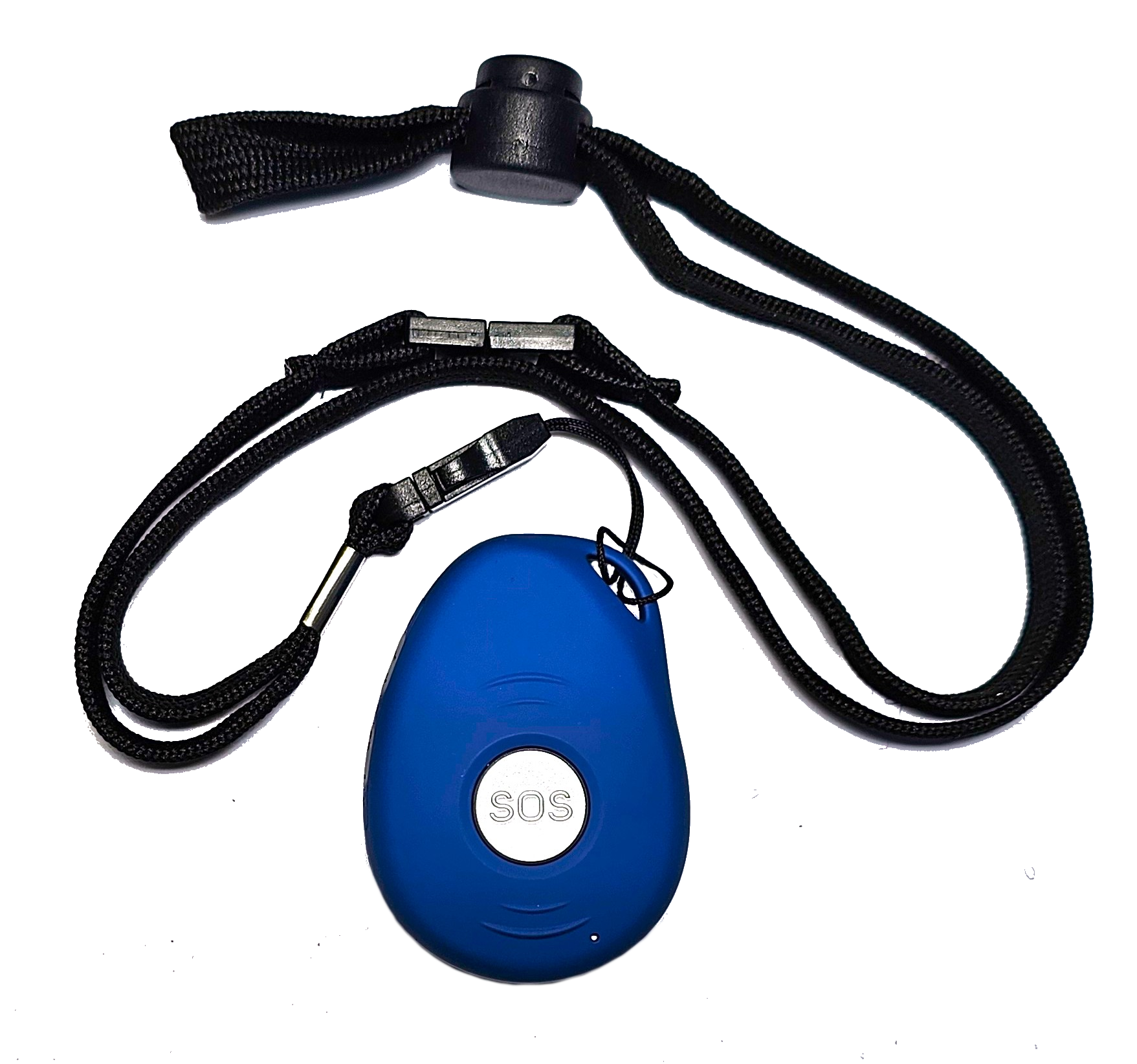
For many older New Zealanders, a one-off purchase aligns with a preference for long term safety without subscriptions. Once the device is set up, it is ready to use at any moment, with no further financial commitment. The peace of mind comes from knowing the help button is always there, regardless of whether you remember to pay a bill that month.
When a Monthly Subscription Might Be Better
A subscription can be a good fit if you want to try the service without a large upfront investment. It also suits people who like having ongoing support and regular equipment updates included in the price. If you are uncertain about how long you will need the alarm, a month-to-month plan gives you flexibility to stop at any time without having paid for a device you no longer use.
Subscriptions can also be helpful for those who worry about losing or damaging the device. Many providers will replace a lost pendant or a broken unit at no extra charge, which is a benefit not always available with a one-off purchase. For some users, the convenience of having a single point of contact for all issues, from setup to replacement, is worth the recurring fee.
Key Features to Consider Regardless of Payment Model
Whichever payment model you choose, the device itself should meet your needs. Look for automatic fall detection, which can call for help even if you cannot press the button. GPS tracking is valuable if you are active and might need assistance away from home. Two-way voice communication lets you speak directly with a responder, which can reduce false alarms and provide reassurance. Wearing options matter too: some people prefer a pendant, others a wristband, and some devices can be worn as a clip or on a belt.
Check the warranty and support terms carefully. With a one-off purchase, know how long the warranty lasts and what it covers. With a subscription, understand what happens if you want to cancel, whether there are cancellation fees, and whether the device must be returned. Also consider the battery life and how the device is charged or replaced when the battery dies.
Making Your Decision
Start by thinking about your budget and how long you expect to use the alarm. If you can afford the upfront cost and want no ongoing bills, a one-off purchase is likely the better fit. If you prefer lower initial expense and like the idea of bundled support and replacement, a subscription may suit you.

It can help to calculate the total cost over a realistic period, say three to five years, for each option. Even without exact numbers, you can get a sense of which model offers better value for your situation. Also consider your own habits: are you good at managing monthly payments, or would you rather pay once and forget about it?
No matter which path you choose, the goal is the same: having a reliable way to get help when you need it. A medical alarm is a tool for independence, and the payment model is just the means to that end.